









If you love designing, crafting, or browsing creative custom apparel online, you may have wondered: Could I turn this hobby into a side hustle?
Starting a custom printing business today doesn’t require a storefront or massive industrial equipment. With just a computer and the right setup, you can build a small business right from home.
For women creators, a home studio is about more than just profits—it’s about a comfortable workspace and a smooth workflow that fits seamlessly into daily life.
That’s where DTF (Direct-to-Film) printing comes in. By printing designs onto PET film to transfer onto fabrics via a heat press, it lets you easily turn any small creative space into a versatile custom printing business.
What Can You Make with a Desktop DTF Printer?
DTF printing isn't just for regular T-shirts. If you're starting a custom business, you can begin with small-batch, personalized products and gradually find your niche.
1. Personalized Baby & Family Apparel 👶
Baby name onesies, matching family outfits, and kids' backpacks are great options for personalized products. Add a baby's name, a cute cartoon, or a unique design to turn everyday items into meaningful gifts that families will love.
2. Custom Pet Accessories 🐾
Turn pet photos or illustrations into personalized sweatshirts, bandanas, and tote bags. These unique products appeal to pet owners and can help bring in repeat orders.

3. Party & Holiday Gifts 🎁
Create custom T-shirts, birthday sweatshirts, and holiday tote bags for birthdays, weddings, and seasonal celebrations. Small-batch, personalized orders are a great fit for home-based studios.
4. Original Artwork & Creative Merchandise ✨
Turn your original designs into products like hats, throw pillows, denim jackets, and tote bags. It's a great way to bring your creativity to life and offer something unique to customers.
What Do You Need to Set Up a Home-Based DTF Printing Studio?
You don't need an entire room or a commercial production space to get started. With a little planning, a small home studio can handle your initial production needs.
1. Create a Clean, Organized Printing Space 📐
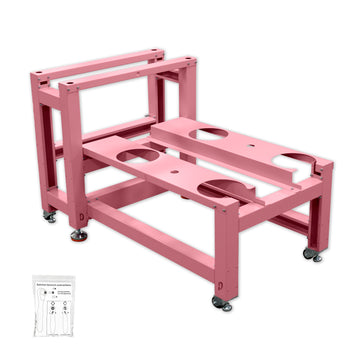
A home office, spare room, or even a corner of your workspace can work. Start with a sturdy table or a small utility cart, then arrange your printer, curing equipment, and heat press.
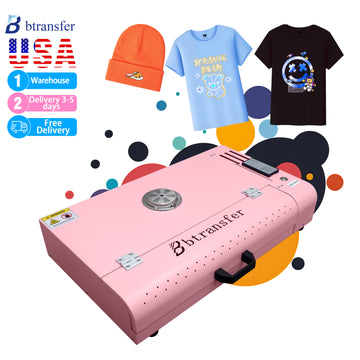
It's best to keep the printing, powdering and curing, and heat-pressing areas organized and separate where possible. You don't need oversized equipment. Focus on the available space and the volume of orders you expect to handle.
2. Keep Your Production Workflow Simple ⚙️
The basic DTF printing process is straightforward:
Create Your Design → Print on PET Film → Apply Powder & Cure → Heat Press → Peel the Film
Unlike traditional screen printing, DTF doesn't require creating screens or making separate printing plates for different designs. Once your artwork and materials are ready, you can produce different custom designs as orders come in.
You'll still need to learn the right printing, curing, and heat-press settings to get consistent transfer results.
3. Start with Small Orders and Manage Inventory 📦
When you're just starting out, there's no need to stock up on large quantities of blank apparel or supplies.
Try testing your designs through social media or platforms like Etsy first. Once orders come in, you can schedule production based on actual demand.
Made-to-order production can help reduce inventory pressure, but you'll still need basic supplies and popular blank products on hand. Remember to factor in equipment, materials, and packaging costs when setting your prices.
How to Choose Your Equipment: Is the B btransfer M1630 Pro Worth Considering?
Not everyone starting a custom printing business needs to buy a DTF printer right away. Before investing in equipment, think about your current order volume and where your business stands.
1. When Is the Right Time to Buy Your Own DTF Printer?
Phase 1: Testing & Starting Out
If you’re still testing designs and building an audience, buying ready-made DTF transfers and using a heat press is a lower-risk way to start. It lets you validate market demand without a heavy upfront investment.
Phase 2: Scaling Up
If you’re receiving weekly orders or rushing to meet tight deadlines, outsourcing has limits—longer wait times, extra shipping fees, and less control. At this stage, investing in your own printer gives you full control over production timing, custom designs, and profit margins.
2. B btransfer M1630 Pro: A Convenient Option for Small Creative Studios
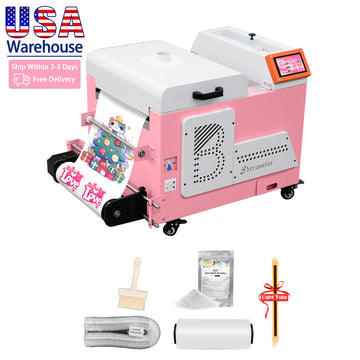
For creators looking to run a DTF custom printing business from home, the B btransfer M1630 Pro is worth checking out.
Its pink design offers a refreshing alternative to traditional industrial-looking equipment, making it a stylish addition to a home studio, office, or creative workspace.
Beyond its appearance, it also offers several features designed to make everyday printing easier:
Compact Desktop Design: Makes workspace planning easier without requiring a large production area.
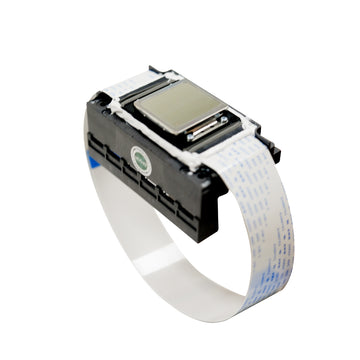
XP600 Printhead: Supports everyday DTF printing needs for studios handling a variety of custom orders.
Low-Ink & Waste-Ink Alerts: Help you keep track of printer status and stay on top of routine maintenance.
Holiday Maintenance Mode: Provides added convenience when you're taking a short break or stepping away from your business.24/7 Online Technical Support: Get help with software settings and printer operation when you run into questions.
When you're running a business on your own, choosing equipment that's easy to use and maintain matters just as much as print quality. Having access to reliable technical support can also make a big difference, especially when you're still learning the process.
Common Questions About Using a DTF Printer at Home
Q1: Will a DTF Printer Create Odors or Noise?
DTF printing may produce some odor, airborne particles, and operating noise. Set up your printer in a well-ventilated area, away from bedrooms and living spaces.
Q2: Will the Printhead Clog If I Don't Print for Several Days?
DTF white ink requires regular maintenance. Follow the recommended maintenance routine and check the ink circulation regularly. The B btransfer M1630 Pro also features Holiday Maintenance Mode to help manage short periods of downtime.
Q3: What Supplies Do I Need to Get Started?
You'll need a few basic items:
Blank products: T-shirts, sweatshirts, tote bags, and hats.
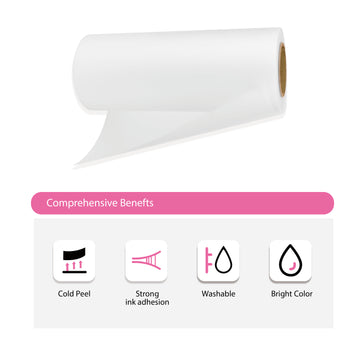
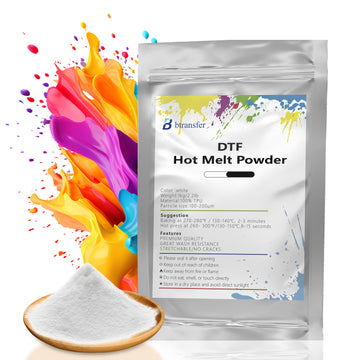
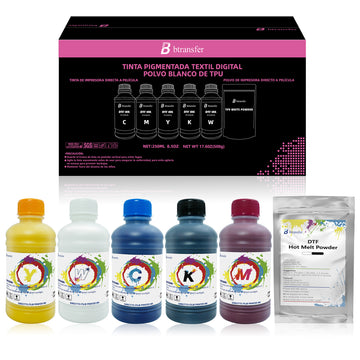
Printing supplies: PET film, DTF ink, and hot-melt powder.
Equipment: A DTF printer, curing equipment, and a heat press.
Choose materials and accessories based on your printer and production needs.
Final Thoughts
Starting a home-based DTF business doesn't require a massive budget or a commercial workshop. Start small, test your designs, and grow at your own pace.
When you're ready to bring production in-house, the B btransfer M1630 Pro is here to make your home studio setup stylish, reliable, and hassle-free. Ready to turn your creative passion into a thriving business? Explore our M1630 Pro bundles today and take the next step in your custom printing journey.


